How Local Businesses Are Using AI Video to Drive Foot Traffic
Table of Contents
Running a neighborhood storefront in 2026 requires more than just high foot-traffic street frontage or a chalkboard sign outside your door. Consumers discover nearby coffee shops, boutique fitness studios, wellness spas, and repair shops right inside their TikTok, Instagram Reels, and YouTube Shorts feeds. That is why adopting ai video for local businesses has emerged as the most efficient way to turn digital impressions into customers walking across your physical threshold.
Historically, producing high-impact video meant hiring a freelance videographer, renting lighting gear, or spending hours trying to speak comfortably in front of an iPhone. For an independent business owner managing staff, inventory, and bookkeeping, that friction meant video marketing rarely got off the ground. Today, AI-powered generation tools eliminate that entire bottleneck, letting main-street entrepreneurs produce commercial-grade localized video creative in a matter of minutes.
The Production Bottleneck Facing Main Street Brands#
Local marketing has undergone a massive algorithmic shift. Meta and TikTok now serve short-form video based on hyper-local geolocations, showing users content created within a 5-to-15 mile radius. While the organic and paid reach for localized short videos is at an all-time high, brick-and-mortar operators face three critical hurdles:
First is the talent tax. Hiring a creator to visit your storefront and record testimonials runs anywhere from $400 to $1,500 per clip. Second is production latency. By the time a traditional videographer shoots, edits, colors, and captions a clip, your weekend promotion or seasonal flash sale has already ended. Third is on-camera fatigue. Most business owners want to run their business, not spend their afternoons memorizing scripts and acting like social media influencers.
Using an AI UGC generator changes this dynamic completely. By utilizing lifelike digital avatars and automated scriptwriting, you can generate authentic-sounding customer reviews, product spotlights, and promotional announcements without pointing a camera at yourself or hiring talent.
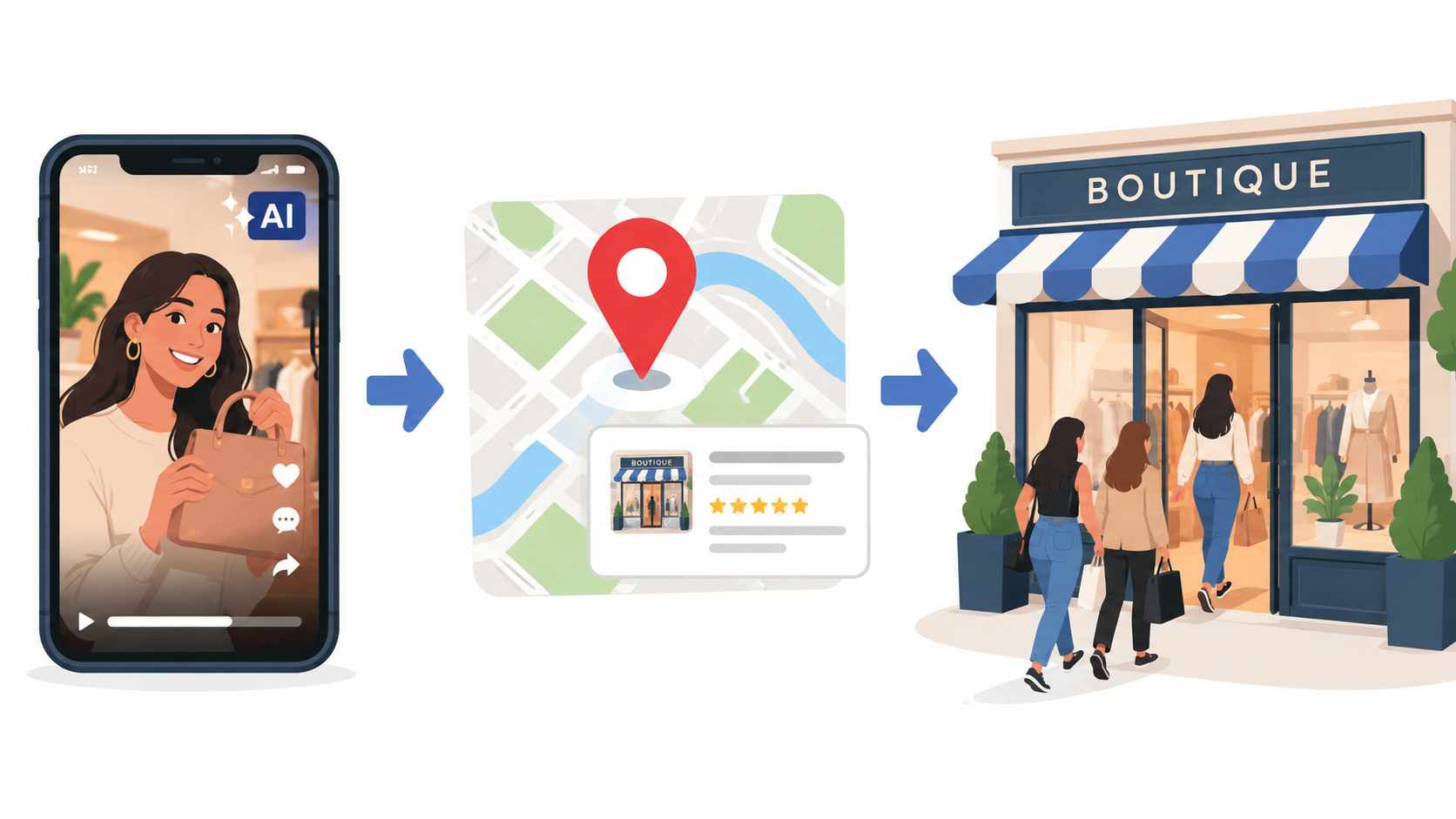
How AI Video for Local Businesses Converts Digital Viewers Into Foot Traffic#
Converting digital scrollers into real-world visitors requires specific psychological triggers. Online shoppers want instant checkout links, but local customers want proximity, trust, and a clear reason to visit today. When deploying ai video for local businesses, the goal is not to produce broad viral entertainment—it is to spark local relevance and immediate action.
AI video engines achieve this by combining synthetic customer voices, localized hooks, dynamic text overlays, and realistic B-roll scenes. Instead of a generic corporate ad, viewers see a natural vertical video that feels like an authentic recommendation from a neighbor down the block. When paired with tools like the UGC Builder, owners can draft tailored scripts that mention specific street names, landmarks, or community events, establishing instant local credibility.
Ready to generate scroll-stopping video ads?
Access organic AI UGC avatars and text-to-speech in minutes.
Create Your First Local Video Ad Free4 High-Performing AI Video Formats for Physical Stores#
You do not need to reinvent the wheel every time you publish. In our testing across retail, fitness, and food service categories, four repeatable formats consistently drive verifiable foot traffic:
1. The Neighborhood Secret / Hidden Gem Hook: This format opens with an avatar acting as a local explorer discovering your location. Hook: 'If you live in [City Name] and haven't tried this artisan bakery on Elm Street, you are seriously missing out.' The video proceeds through 3-4 visual highlights before ending with an exclusive walk-in discount code.
2. Synthetic UGC Customer Reviews: Using authentic-looking avatars and conversational audio from AI voice cloning, this video recreates the feeling of a trusted friend raving about your service. An auto detailing shop might feature an avatar explaining: 'I took my ceramic-coated truck into [Business Name] yesterday, and look at this finish.' The avatar demonstrates customer satisfaction while cutaway B-roll emphasizes quality craftsmanship.
3. The Problem-Solution Local Fix: Perfect for service providers such as plumbers, roofers, dentists, and accountants. An avatar identifies a urgent regional issue (e.g., hard water buildup, storm season roof wear) and directs viewers to walk in or schedule an on-site consultation within 24 hours.
4. Faceless Storytelling Shorts: For boutique brands with rich heritage, crafting narrative shorts using an AI story video maker allows you to tell the origin of your family recipes or artisanal crafts. These videos build deep brand affinity and capture high organic shares across local neighborhood groups.
Step-by-Step: Setting Up Your First Local AI Video Campaign#
Launching your first campaign takes less than fifteen minutes from script to live campaign. Here is the exact playbook:
Step 1: Define the In-Store Incentive. Give scrollers an urgent reason to visit. A free upgrade, a buy-one-get-one pastry, or an exclusive 20% first-visit discount works best. Make sure the code is simple to mention at the register (e.g., 'SHOW THIS REEL FOR 15% OFF').
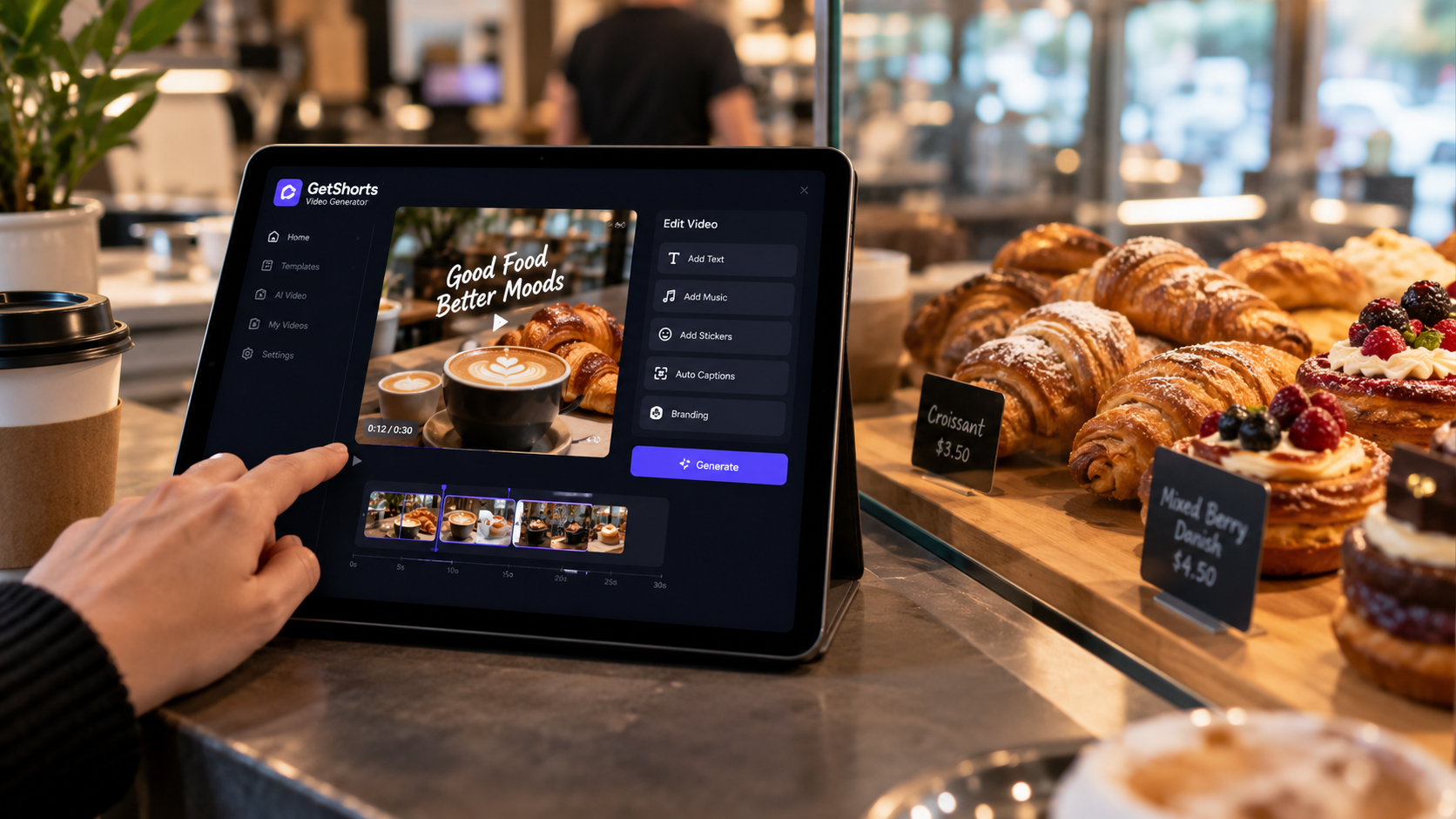
Step 2: Generate the Script and Avatar. Log into GetShorts, open UGC Auto Mode or the UGC Builder, and select an avatar that matches your target demographic. Input your promotion details, location, and preferred tone. The system writes a 30-to-45-second script structured around a 3-second hook, a compelling middle offer, and a direct call to visit.
Step 3: Layer B-Roll and Captions. Add high-resolution photos of your interior, menu items, or work portfolio between avatar speaking lines. Turn on auto-captions with bold typography, as over 70% of mobile users scroll social media feeds with their sound muted.
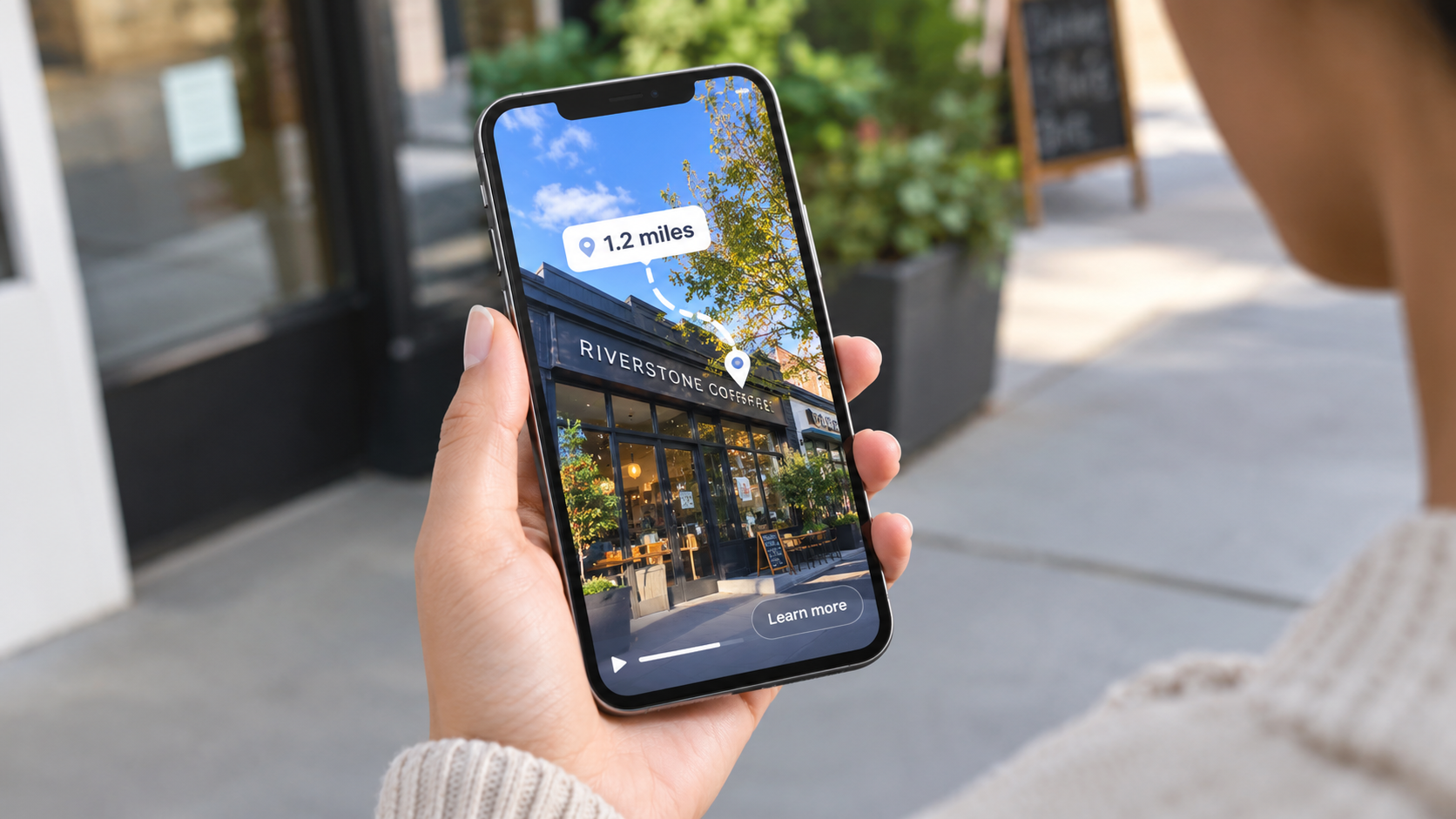
Step 4: Launch With Radius Geo-Targeting. Export your 1080x1920 MP4 file. In Meta Ads Manager or TikTok Ads, choose the 'Store Visits' or 'Traffic' objective and restrict your radius strictly to 3 to 10 miles around your street address. A modest budget of $5 to $10 per day puts your storefront in front of thousands of nearby residents every week.
Real-World Economics: Comparing Costs and ROI#
To understand why local merchants are making this transition, compare the unit economics of traditional local marketing against automated video pipelines:
Direct mail flyers typically cost $0.60 to $1.20 per household including printing and postage, resulting in average response rates below 1%. Local radio or print classifieds require multi-thousand dollar commitments with virtually no direct attribution. In contrast, GetShorts subscription plans start at just $29/mo (see full details on our pricing page), allowing you to produce fresh video creative every week at a fraction of the cost of a single printed flyer batch.
When your cost per creative drops to pennies, you can test different offers, showcase weekly specials, and adapt your messaging instantly to weather changes or local events. That agility is what separates thriving physical storefronts from empty ones.
Stop Booking Overpriced Creators. Start Scaling UGC Ads.
Produce high-quality AI avatars, auto-captions, B-roll composites and translate scripts instantly. Generate 10+ hook variants for testing.
No credit card required • Start free trial instantly