Best AI UGC Tools for Meta Ads: How to Scale Facebook & Instagram Video Ad ROAS
Table of Contents
Performance marketing on Facebook and Instagram has changed dramatically over the last two years. In the past, media buyers spent hours tweaking audience demographics, interest groups, and lookalike percentages. Today, Meta's automated algorithms specifically Advantage+ Shopping Campaigns (ASC) handle targeting far better than any human media buyer can. But this shift has created a new operational bottleneck: ad performance is now 100% determined by creative volume and hook diversity. Sourcing enough video creative to prevent rapid ad fatigue is why media buyers are turning to ai ugc tools for meta ads.
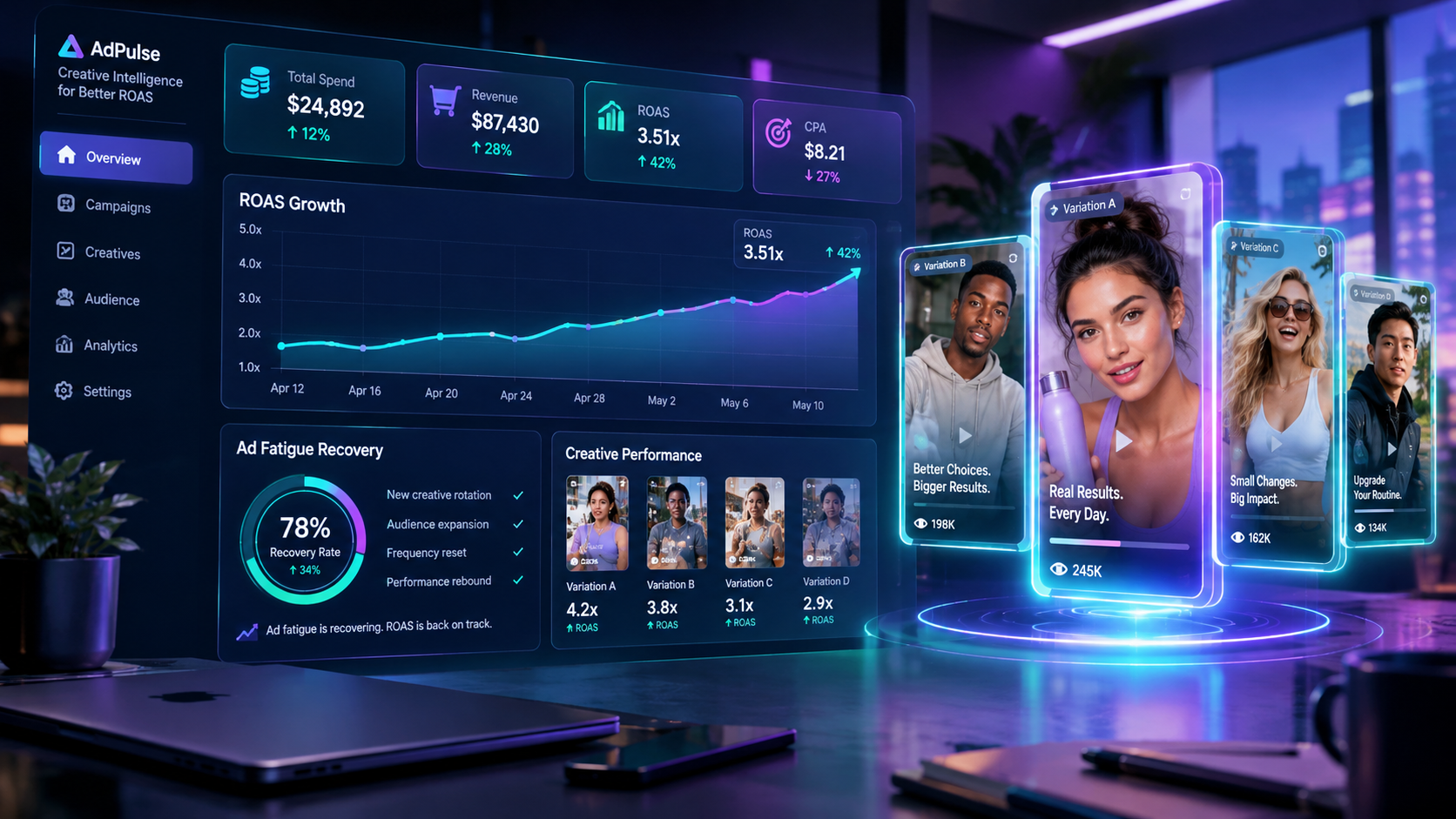
In our paid media tests across dozens of e-commerce and lead generation accounts, campaigns running at least 15 to 20 fresh creative variations per month consistently achieve 40% lower cost-per-acquisition (CPA) compared to accounts relying on 2 or 3 static video assets. By implementing an AI UGC generator, performance marketers can generate authentic-sounding user reviews, product demonstrations, and problem-solution hooks without waiting weeks for physical creator shipments.
Why Meta Advantage+ Demands Infinite Creative Volume#
Meta's recommendation engine evaluates each video creative based on immediate viewer retention, engagement velocity, and conversion signals. When an ad strikes a chord, Meta allocates budget aggressively. However, as frequency increases, creative fatigue sets in quickly often within 7 to 14 days for high-budget accounts.
Once performance decays, turning it around requires fresh angles, not just slight color tweaks. As detailed in our guide on AI UGC video ads, you need to test distinct customer personas, contrasting emotional hooks, and unique problem framings to uncover the next scalable winner.
Ready to generate scroll-stopping video ads?
Access organic AI UGC avatars and text-to-speech in minutes.
Generate High-ROAS Meta Ads with GetShorts
The Cost Dilemma: Traditional UGC Creators vs. AI Generation#
Hiring freelance creators through traditional marketplaces presents substantial friction. Sourcing creators, mailing product samples, negotiating usage rights, and reviewing revisions takes an average of 18 to 24 days per asset. Furthermore, standard creator pricing ranges from $150 to $400 per 30-second raw clip. If you need 20 assets per month, you're looking at $4,000 to $8,000 in upfront production costs before spending a single dollar on ad traffic.
In our comprehensive comparison of AI UGC generator vs real creators, AI generation reduces per-video production costs by over 90% while cutting turnaround time from weeks to minutes. Media buyers can test radical new concepts instantly. When you can produce video ads without filming, testing 50 hook variations becomes economically viable.
Top Capabilities to Look For in a Meta UGC Video Generator#
When selecting the best AI UGC tools for paid social campaigns, prioritize these critical features:
Photorealistic Avatars & Natural Lip-Sync: Meta users scroll past robotic, uncanny valley content immediately. The avatars must feature natural micro-movements, eye contact, and seamless mouth synchronization.
Multi-Track Editing with Dynamic B-Roll: Talking heads alone rarely sustain attention for 30 seconds. Look for a platform with a built-in timeline editor that allows you to intercut product demonstrations, screen recordings, customer review overlays, and sound effects.
Automated Animated Captions: Over 70% of Instagram Reels and Facebook feeds are browsed with sound muted. High-contrast, dynamic subtitles that highlight spoken words in real time are mandatory for maximizing thumbstop rates.
How to Structure High-ROAS Meta UGC Ads in 2026#
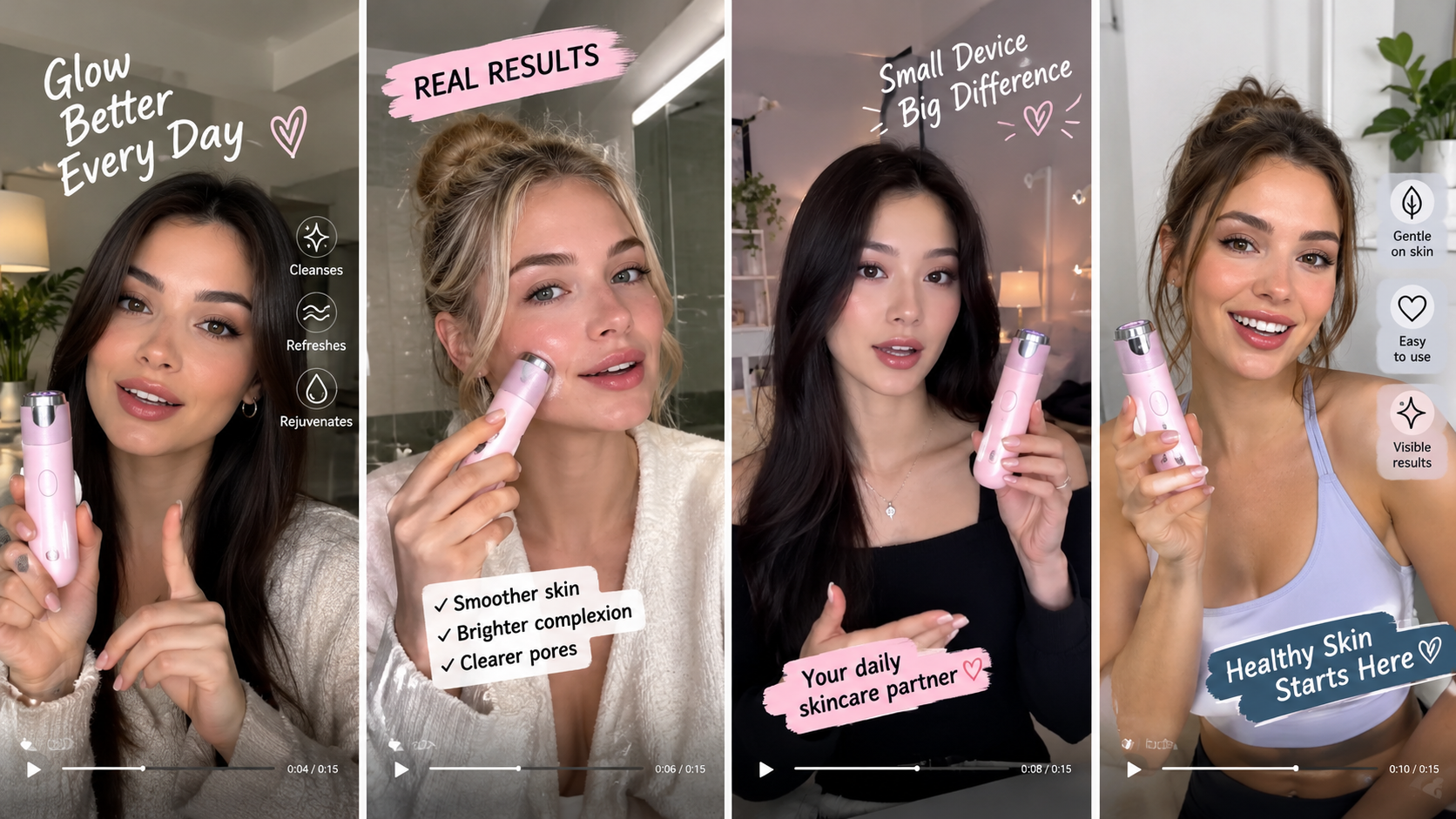
The highest-converting video ads follow a battle-tested anatomical structure designed to capture attention and drive direct action:
1. The 3-Second Scroll-Stopping Hook: Call out your target audience or their immediate frustration directly. For example: 'If you're still spending $200 on skincare treatments, stop scrolling.' Visual movement like quick cutaways or an expressive avatar gesture is essential.
2. Agitation and Problem Validation (Seconds 4-10): Clarify why traditional solutions have failed them. This builds empathy and deepens curiosity.
3. Solution Reveal and Demonstration (Seconds 11-22): Introduce your product as the logical fix. Show real-world usage and emphasize 2 or 3 distinct transformation benefits.
4. Clear Frictionless Call-to-Action (Seconds 23-30): Give a direct instruction: 'Click the link below to claim your 20% discount today.' Reinforce with an on-screen promo badge.
Creative Testing Framework: From First Impression to Scaled Winner#
Top media buyers implement a systematic creative sandbox testing methodology. Instead of pouring budget into an unproven concept, run 5 to 10 video variations in an isolated dynamic creative test (DCT) campaign with a modest daily budget.
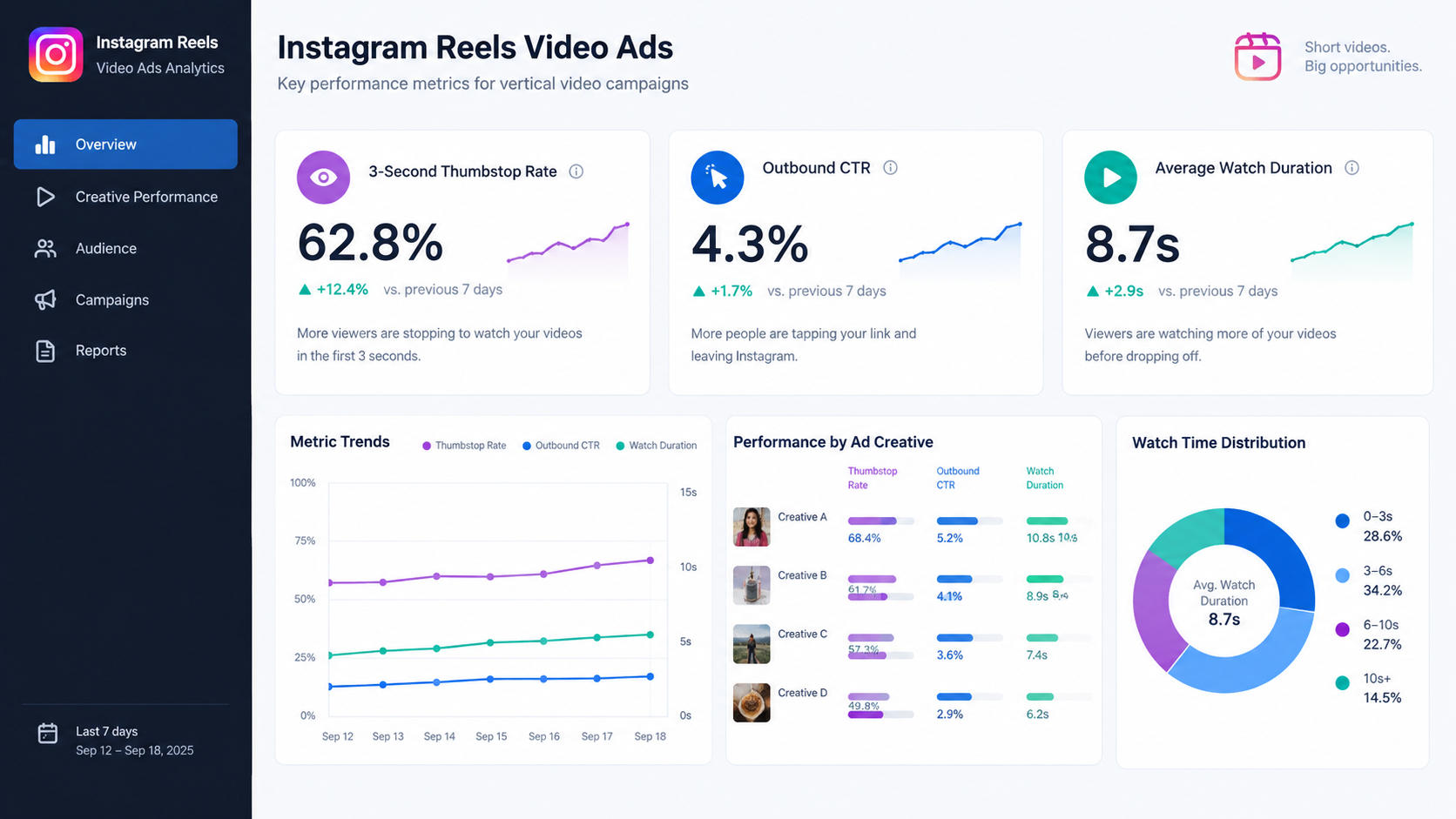
Monitor your performance using the benchmarks outlined in our guide to UGC ad metrics to track. Look for ads achieving a 3-second thumbstop rate above 30% and an outbound click-through rate higher than 1.5%. Once an ad demonstrates statistical significance, migrate the winning post ID into your primary Advantage+ scaling campaign.
Scale Your Facebook and Instagram Ad Pipeline Today#
Media buying success on Meta is no longer a secret targeting hack. The brands winning market share in 2026 are those with the highest creative testing velocity. By integrating AI video generation into your daily marketing workflow, you can continuously out-test competitors, lower acquisition costs, and scale profitably. Check out our pricing plans and start generating high-converting Meta UGC ads with GetShorts today.
Stop Booking Overpriced Creators. Start Scaling UGC Ads.
Produce high-quality AI avatars, auto-captions, B-roll composites and translate scripts instantly. Generate 10+ hook variants for testing.
No credit card required • Start free trial instantly