9 AI Video Trends Reshaping Content Creation in 2026
Table of Contents
Content creation has undergone a massive evolution over the past few years, but nothing compares to the shift we're witnessing today. As we look at the defining ai video trends 2026 has ushered in, it’s clear that AI video generation is no longer a futuristic experiment. It’s an active, daily tool for scaling brands, increasing conversion rates, and cutting production costs. From self-writing scripts to hyper-realistic digital avatars, the barrier to high-quality video production has completely collapsed.
For businesses trying to keep up with the demand for video content across TikTok, Instagram Reels, and YouTube Shorts, traditional production models are too slow and expensive. Hiring actors, renting equipment, and spending hours in editing suites simply doesn't scale. In this deep dive, we'll walk you through the nine critical trends reshaping how we produce, edit, and distribute video content in 2026, and how your brand can leverage them to build a dominant online presence.
1. The Rise of Hyper-Realistic AI UGC Ads#
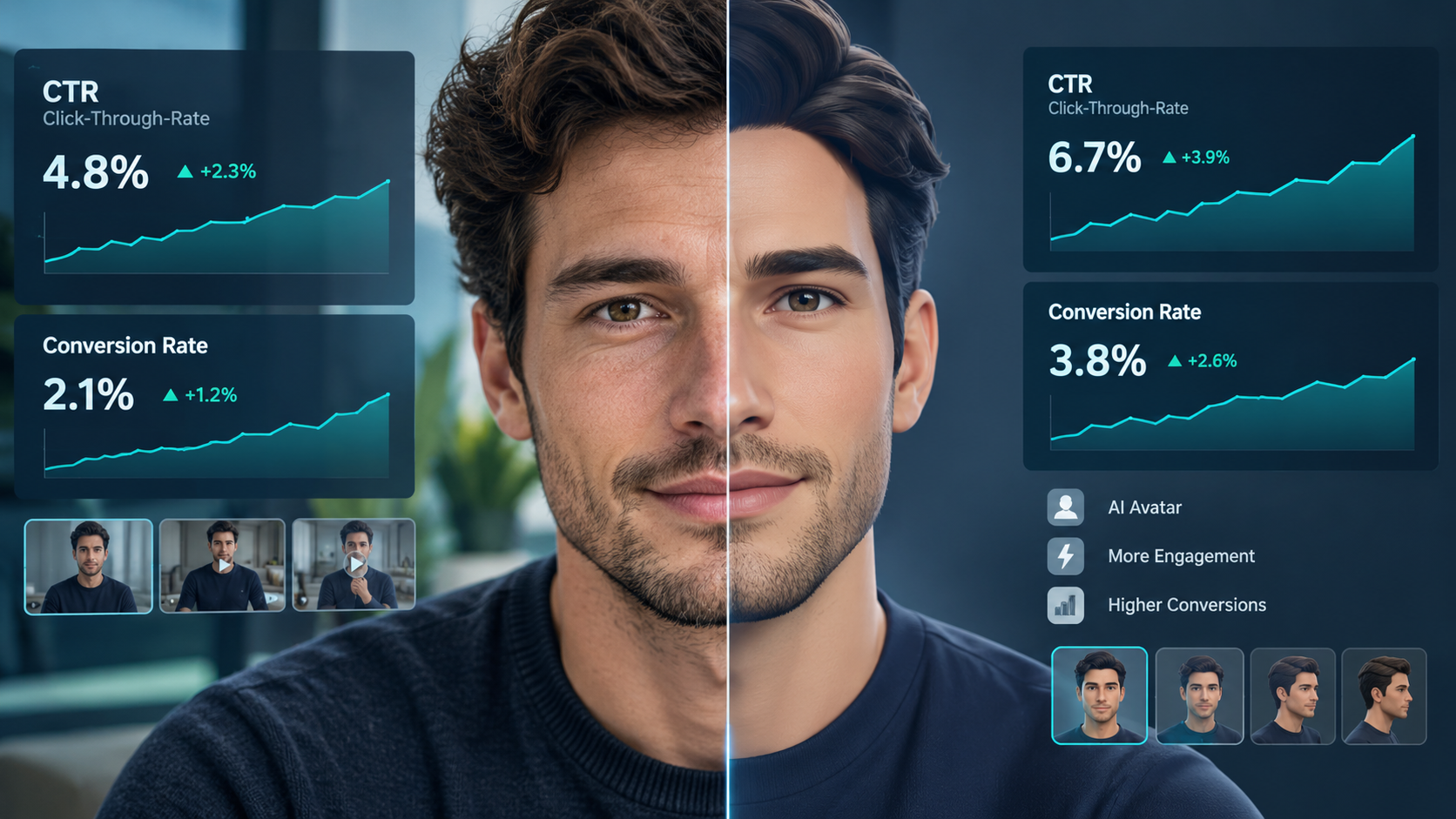
User-generated content (UGC) remains the gold standard for social media advertising because of its raw, authentic feel. However, finding reliable creators, negotiating contracts, and waiting for assets to ship is a logistical bottleneck. In 2026, brands are turning to sophisticated AI UGC video ads. The latest generation of AI-native video platforms can create digital twins and virtual spokespeople that are virtually indistinguishable from real human actors.
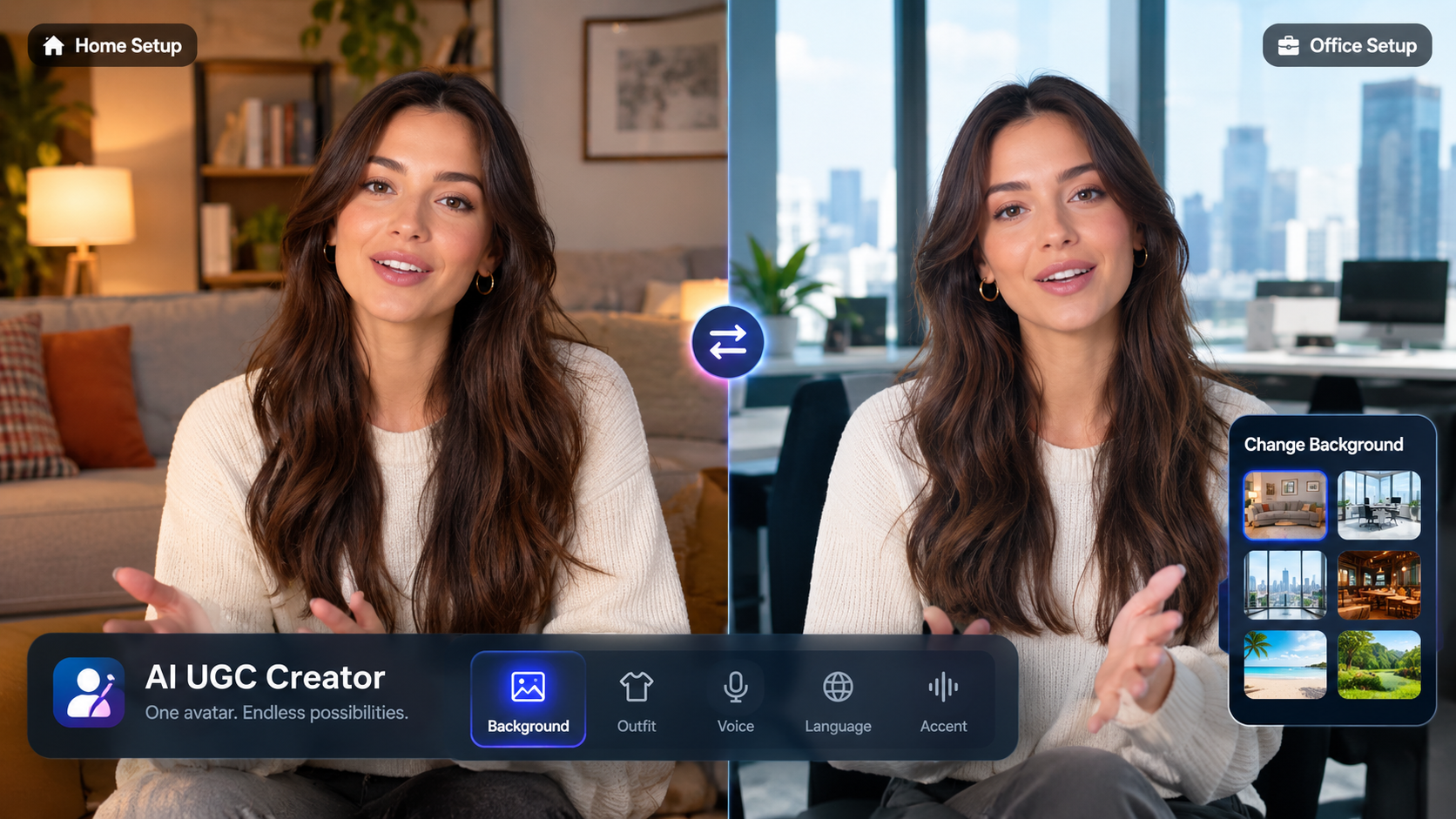
These advanced digital avatars read scripts with realistic breathing patterns, micro-expressions, and natural body language. Instead of spending thousands on a single ad campaign, marketers can now use a UGC video maker to generate dozens of hook variations, swap backgrounds instantly, and test different angles in a fraction of the time. This flexibility has turned UGC ad creation from a week-long creative process into a data-driven science.
2. Conversational Video Editing via AI Chat#
The traditional timeline-based video editing interface, while powerful, has a steep learning curve. One of the most user-friendly ai video trends in 2026 is the emergence of conversational video editing. Instead of dragging layers, cutting tracks, and adjusting keyframes manually, creators can now interact with an AI assistant in plain English to build and refine their projects.
By simply typing prompts like "make the pacing faster," "add B-roll of someone working on a laptop when I mention SaaS," or "make the captions pop with yellow text," the editor executes the instructions in seconds. This democratization of video editing means anyone from product managers to solo entrepreneurs can produce professional-grade videos without ever opening complex editing suites.
3. Seamless Voice Cloning and Custom Voice Synthesis#
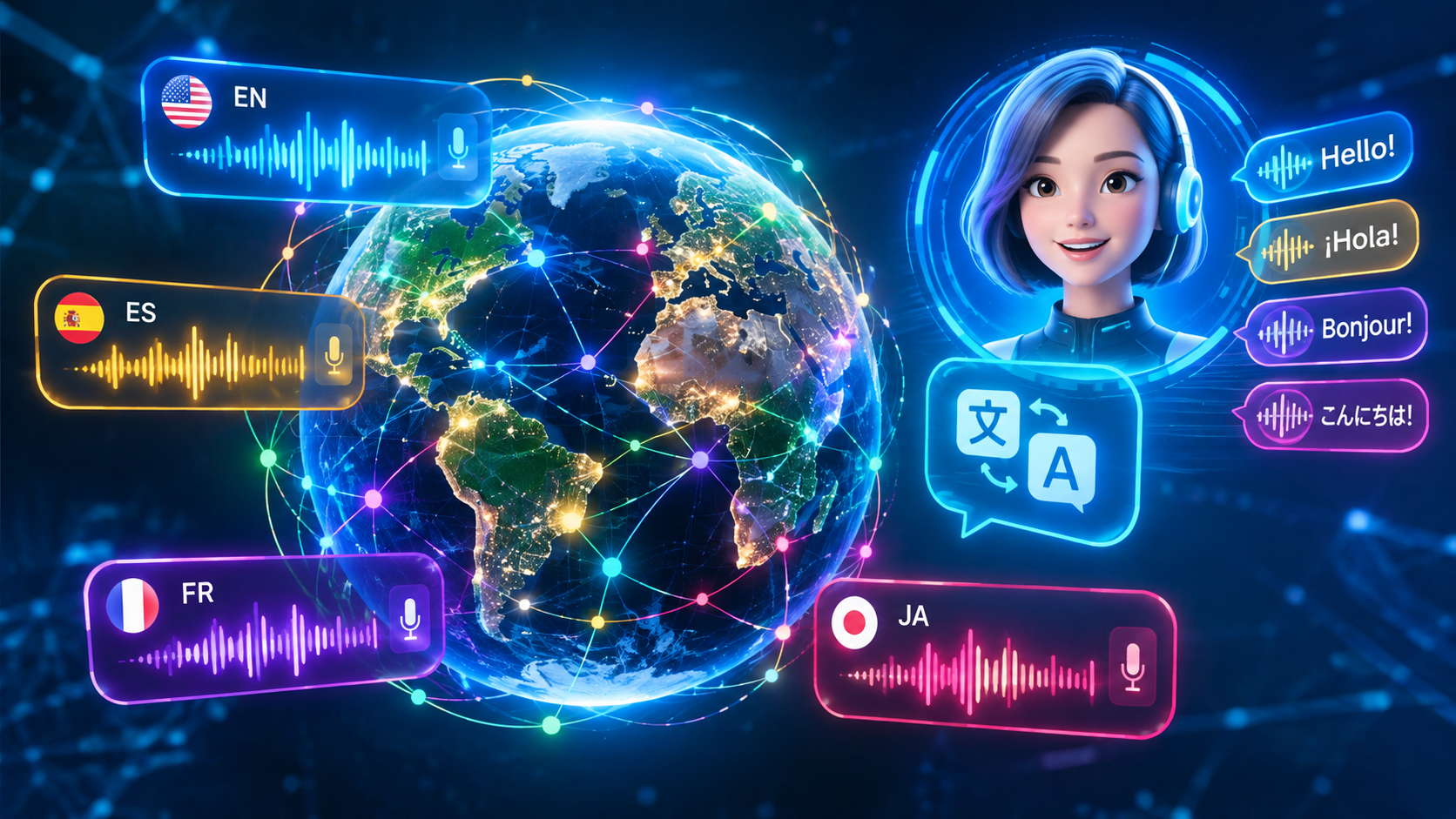
Audio quality is just as important as visual quality. In the past, synthetic voices sounded robotic and monotonous, immediately alienating viewers. In 2026, voice cloning technology has reached a point where an AI voice can capture the subtle pitch changes, accents, and emotional resonance of a specific human speaker. Creators are using a voice cloner tool to build a consistent vocal brand identity across all their videos.
By recording a short 2-minute sample, you can clone your voice and generate narrations for hundreds of videos. This is particularly useful for global localization; you can clone your voice once and have it speak fluent Spanish, French, or Japanese, matching your natural cadence and tone. This opens up massive opportunities for localized marketing campaigns without hiring multilingual voice actors.
Ready to generate scroll-stopping video ads?
Access organic AI UGC avatars and text-to-speech in minutes.
Clone Your Voice on GetShorts4. Fully Automated Faceless Video Channels#
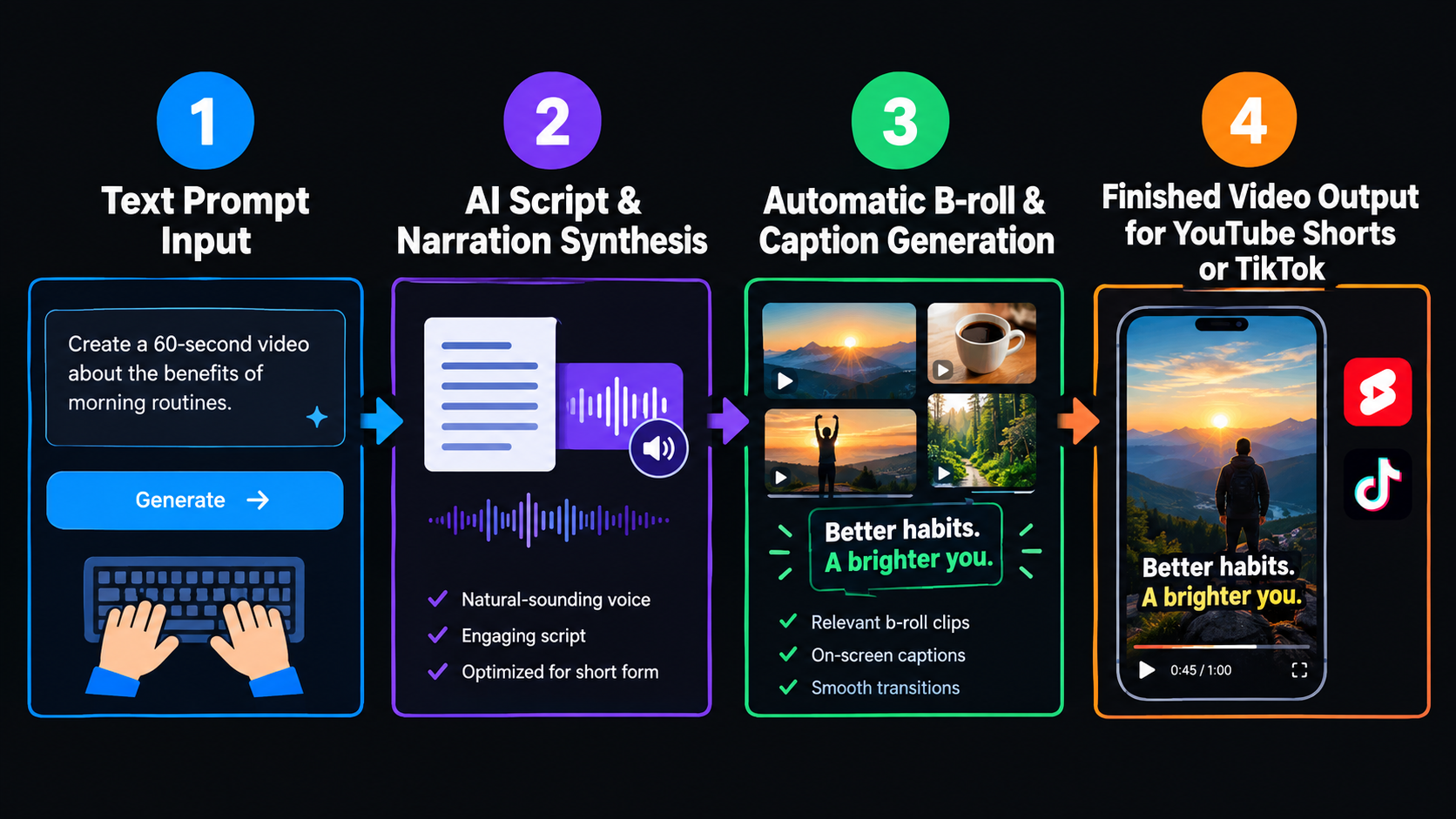
A massive trend taking over YouTube Shorts, TikTok, and Reels is the growth of faceless channels. These channels post engaging story-driven content such as history lessons, true crime stories, motivational guides, or financial tips without ever displaying a human creator on camera. Brands and creators are using an AI story video maker to manage these channels entirely on autopilot.
A high-quality faceless video generator can take a simple text prompt, search for relevant historical or thematic content, write a compelling script, pair it with realistic AI narration, generate dramatic visual B-roll, and apply matching auto-captions. This automated pipeline allows creators to run multiple niche channels concurrently, generating millions of views with minimal daily maintenance.
5. Prompt-to-Avatar Character Customization#
Finding the right visual spokesperson for your brand is critical, but what if you could design your ideal presenter from scratch? A growing trend in 2026 is prompt-based avatar customization. Rather than choosing from a static library of pre-made actors, users can type a description to define exactly what their digital spokesperson looks like, what they wear, and how they behave.
Whether you need a "friendly tech-savvy marketer in their late 20s wearing a casual hoodie" or a "professional financial advisor in a tailored suit speaking in a warm, authoritative tone," prompt-to-avatar tools construct a custom character with natural lipsync capabilities. This level of personalization allows brands to maintain complete visual exclusivity and build a unique virtual face for their products.
6. Auto Mode: Script-to-Video in One Click#
Efficiency is the name of the game in modern marketing. While custom settings provide control, the demand for speed has popularized "Auto Mode" tools. For instance, when creating an ad, you no longer need to write a hook, outline the body, and choose the call to action manually. Instead, you can drop a product URL, and the AI handles the rest.
The AI scans the webpage, identifies the value proposition and target audience, drafts an optimized video script, selects the best virtual actor, adds relevant transitions, and exports a finished advertisement. This one-click automation makes it possible for e-commerce shops to test dozens of video creatives for their catalog without a dedicated creative team.
7. Free Text to Speech Tools Democratizing Audio#
High-quality speech synthesis shouldn't require premium subscriptions for small creators just starting out. In 2026, the use of open-source TTS engines like Kokoro has led to the availability of incredibly natural, high-performance free AI text to speech tools. These tools give creators access to multiple voices, accents, and emotional inflections without charging upfront costs.
Whether you need American, British, French, or Hindi accents for a quick tutorial or an educational video, a free voice generator allows you to convert text to speech instantly, download the MP3, and use it in your project. This lowers the entry barrier for video creators globally, allowing high-fidelity audio production on any budget.
8. Multi-Platform Series Automation#
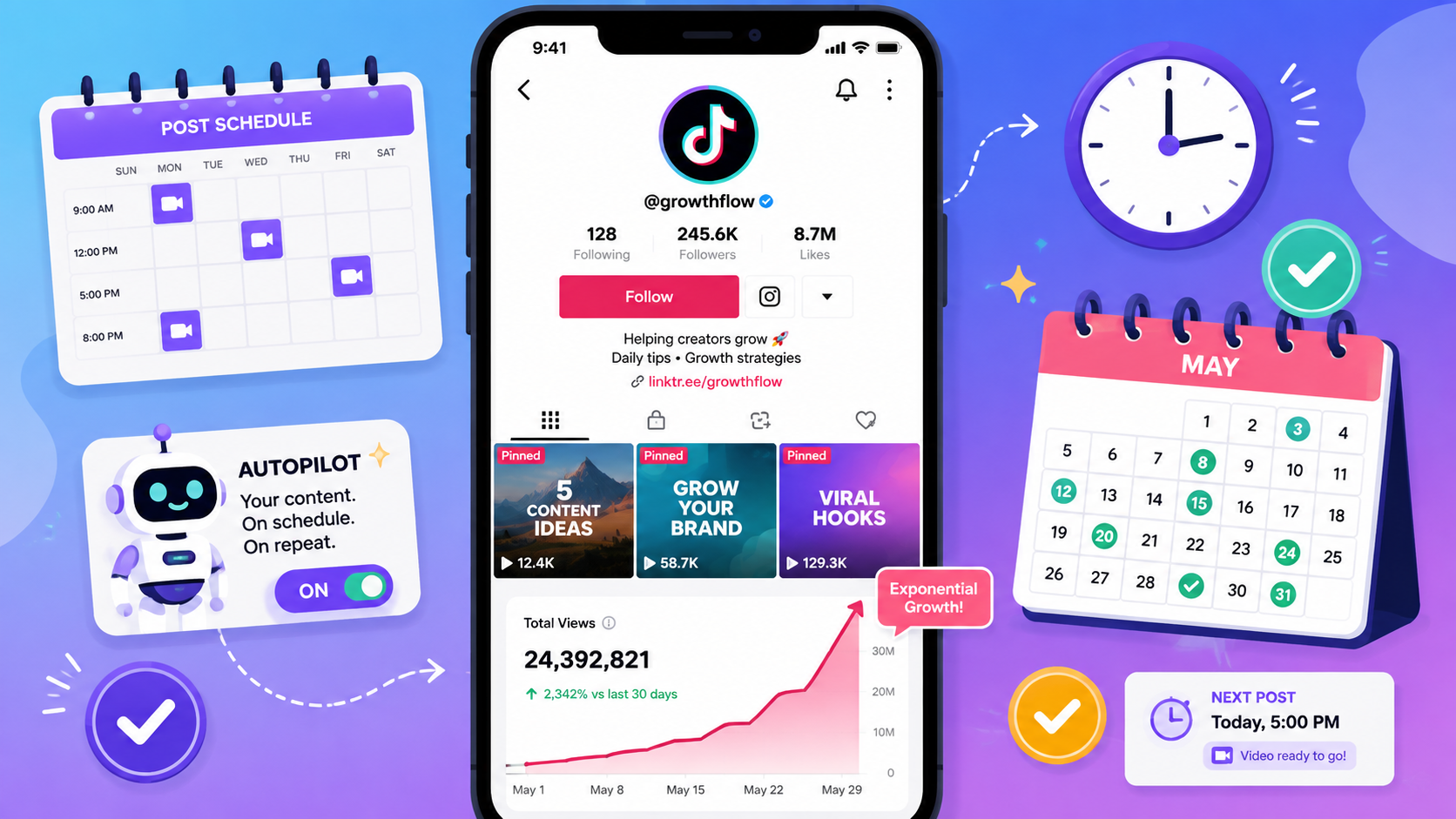
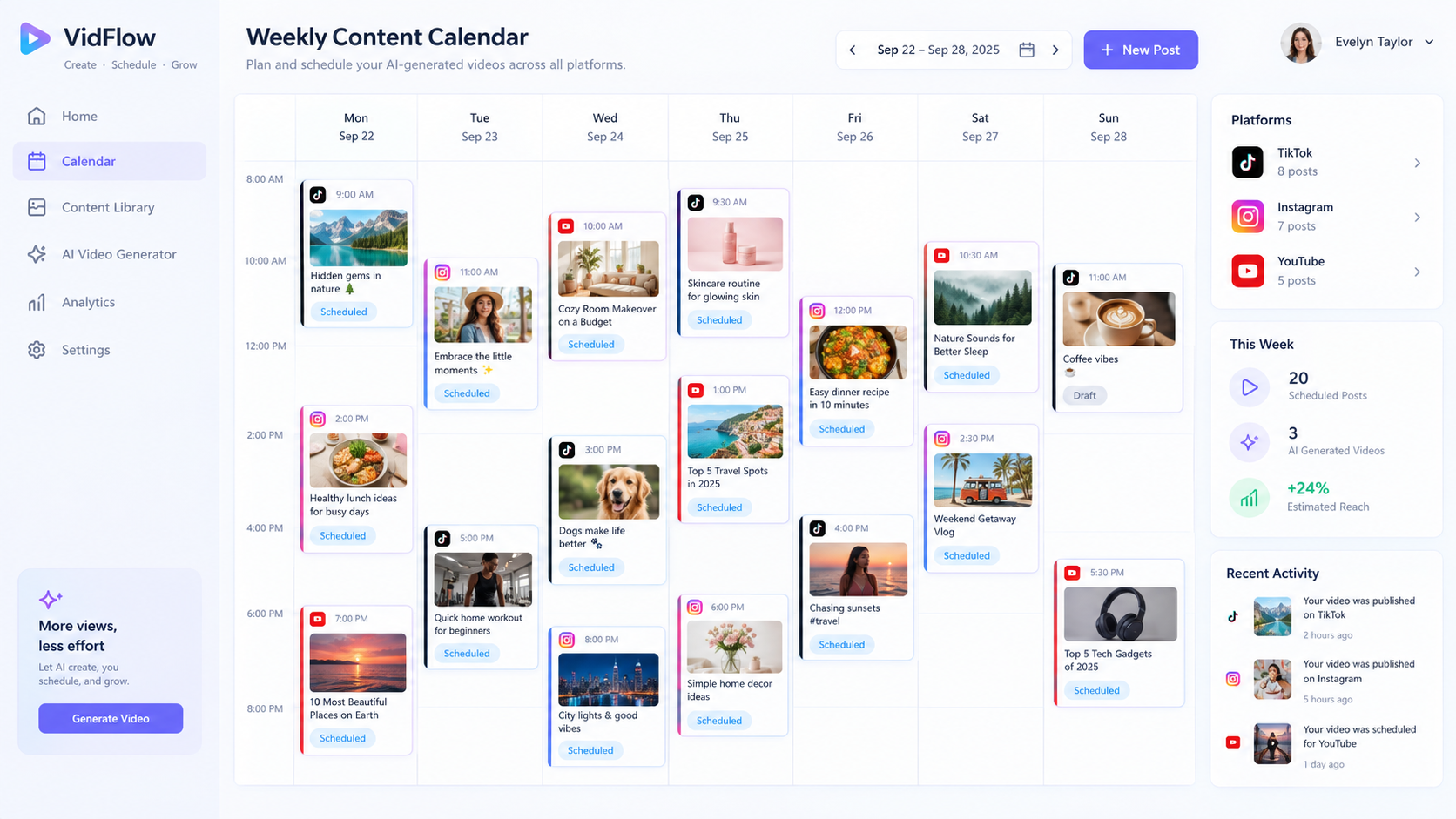
Algorithm consistency is the secret to social media growth. Posting once a week is no longer enough; algorithms reward creators who post consistently. That’s why automated scheduling and scheduling integrations are a dominant trend in 2026. Instead of manually exporting and uploading videos daily, creators are leveraging series automation.
You can define a content series (e.g., "Daily Tech History Tips"), and the system will automatically generate a batch of videos, scheduling them to publish on Monday, Wednesday, and Friday. By integrating directly with social platforms like TikTok, Instagram Reels, and YouTube Shorts, creators can queue weeks of content in advance, maintaining active profiles while freeing up time for high-level strategy.
9. AI-Generated B-Roll and Dynamic Scenes#
A common problem with early AI video generation was the repetition of visual elements. In 2026, generative diffusion models have made it possible to produce highly contextual and unique video scenes on demand. If your script mentions "a sleek digital watch calculating heart rates in a neon-lit gym," the AI will generate that exact scene rather than searching for a generic stock replacement.
This dynamic B-roll synthesis keeps viewers engaged by matching visual metaphors perfectly with the spoken audio. By breaking up talking-head avatars with rich, customized illustrative video clips, the overall quality and retention rate of AI-generated ads and educational content increases dramatically.
Conclusion: Embracing the Future of Video Creation#
The AI video trends of 2026 point toward one clear theme: accessibility. You no longer need thousands of dollars, professional camera setups, or decades of editing experience to create high-impact video content. Platforms like GetShorts bring voice cloning, custom avatars, faceless video tools, and automated pipelines into a single, intuitive dashboard.
Whether you're looking to run high-converting UGC ads for your e-commerce store, scale a network of faceless channels, or localize your marketing materials for a global audience, the tools are ready. Don't let your brand get left behind. Start building your video marketing engine today and experience the speed of AI-native creation.
Stop Booking Overpriced Creators. Start Scaling UGC Ads.
Produce high-quality AI avatars, auto-captions, B-roll composites and translate scripts instantly. Generate 10+ hook variants for testing.
No credit card required • Start free trial instantly