The Truth About AI Generated UGC: Does It Actually Convert?
Table of Contents
User-generated content (UGC) has dominated social media marketing for the last five years. Consumers are banner-blind to polished, studio-produced commercials; they want authentic recommendations that look like they were filmed on an iPhone. However, scaling human UGC is a logistical nightmare. Managing creators, paying high licensing fees, and waiting weeks for video assets creates a massive bottleneck. This has led to the rise of ai generated ugc.
But a critical question remains: does AI user-generated content actually convert, or does it feel like cheap, artificial slop? In this article, we'll look at the data. We'll examine conversion benchmarks, look at hook-testing performance, and discuss when you should leverage a digital twin vs when a human creator is still required for your brand.
The Quality Gap: Early AI vs. Modern 2026 Avatars#
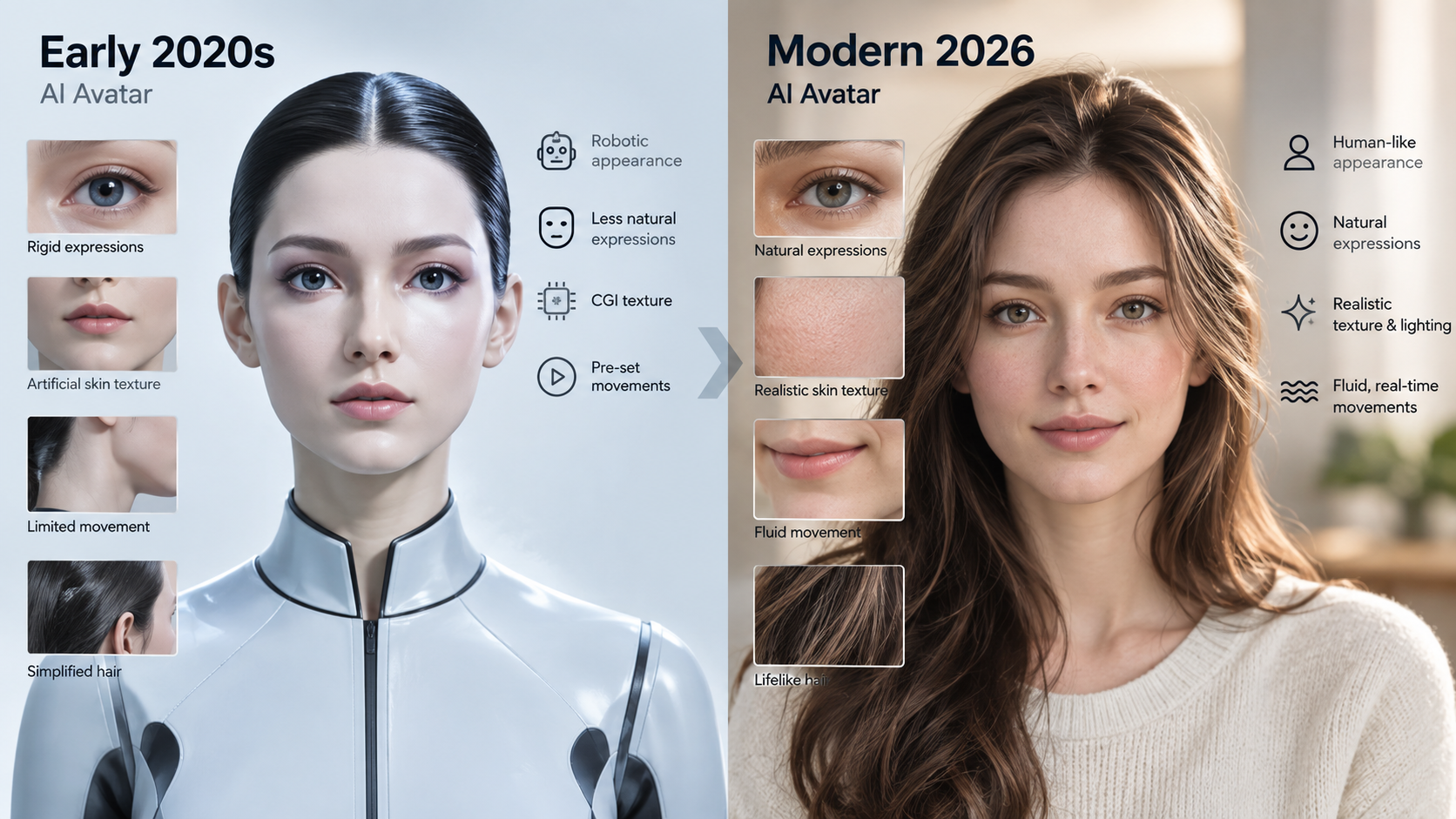
To understand if AI UGC is worth it, we must first address quality. Early AI video generators produced avatars with stiff postures, metallic voices, and obvious lip-sync errors. Viewers immediately spotted the artificial nature, causing engagement rates to drop. Today, the technology has reached a tipping point. The latest models utilize advanced generative neural networks that capture human micro-expressions, breathing pauses, and natural head motions.
Furthermore, standard synthetic text-to-speech has been replaced by custom voice cloning. When you pair a lifelike avatar with a high-fidelity cloned voice, the output is incredibly convincing. Unless a viewer is looking under a magnifying glass, the virtual spokesperson appears to be a real creator speaking directly to their camera in their living room. This leap in quality is what has allowed AI ads to achieve conversion parity with real creators.
What the Data Says: Conversion and Testing Metrics#
In marketing, opinions don't matter—only data does. A review of direct-response ad performance shows that while a top-tier human creator might slightly outperform an AI avatar in a single, head-to-head conversion test, AI UGC wins on overall campaign profitability due to two factors: production speed and hook testing.
With a traditional creator, you receive one or two hooks. If those hooks fail to capture attention in the first three seconds, your entire ad budget is wasted. With an AI UGC generator, you can write ten different hooks (e.g., pain-point focus, question hook, bold statement), generate all ten variations in minutes, and test them simultaneously. Finding a winning hook variation via high-volume testing yields higher conversion rates and lower Customer Acquisition Costs (CAC).
The Cost Comparison: Human Creators vs. AI Tools#
Let's talk numbers. Hiring a standard UGC creator on platforms like Fiverr or Billo typically costs between $100 and $300 for a single 30-second video. If you want raw footage rights or extended licensing rights for paid ads, that cost can double or triple. If the script changes or you want to launch a new product variant, you have to pay the creator all over again.
Using a professional UGC video maker like GetShorts, you can generate multiple spokesperson ads, story videos, and promotional posts under a single subscription. The cost per video drops from $150 to pennies. This allows small and medium-sized e-commerce shops to run high-volume video ads that were previously restricted to large brands with enterprise budgets.
Ready to generate scroll-stopping video ads?
Access organic AI UGC avatars and text-to-speech in minutes.
Start Generating UGC Ads TodayWhen to Use AI UGC vs. Human Creators#
We want to be realistic: AI video tools are not a complete replacement for human creativity in every single scenario. Understanding when to use which is the key to a smart video strategy:
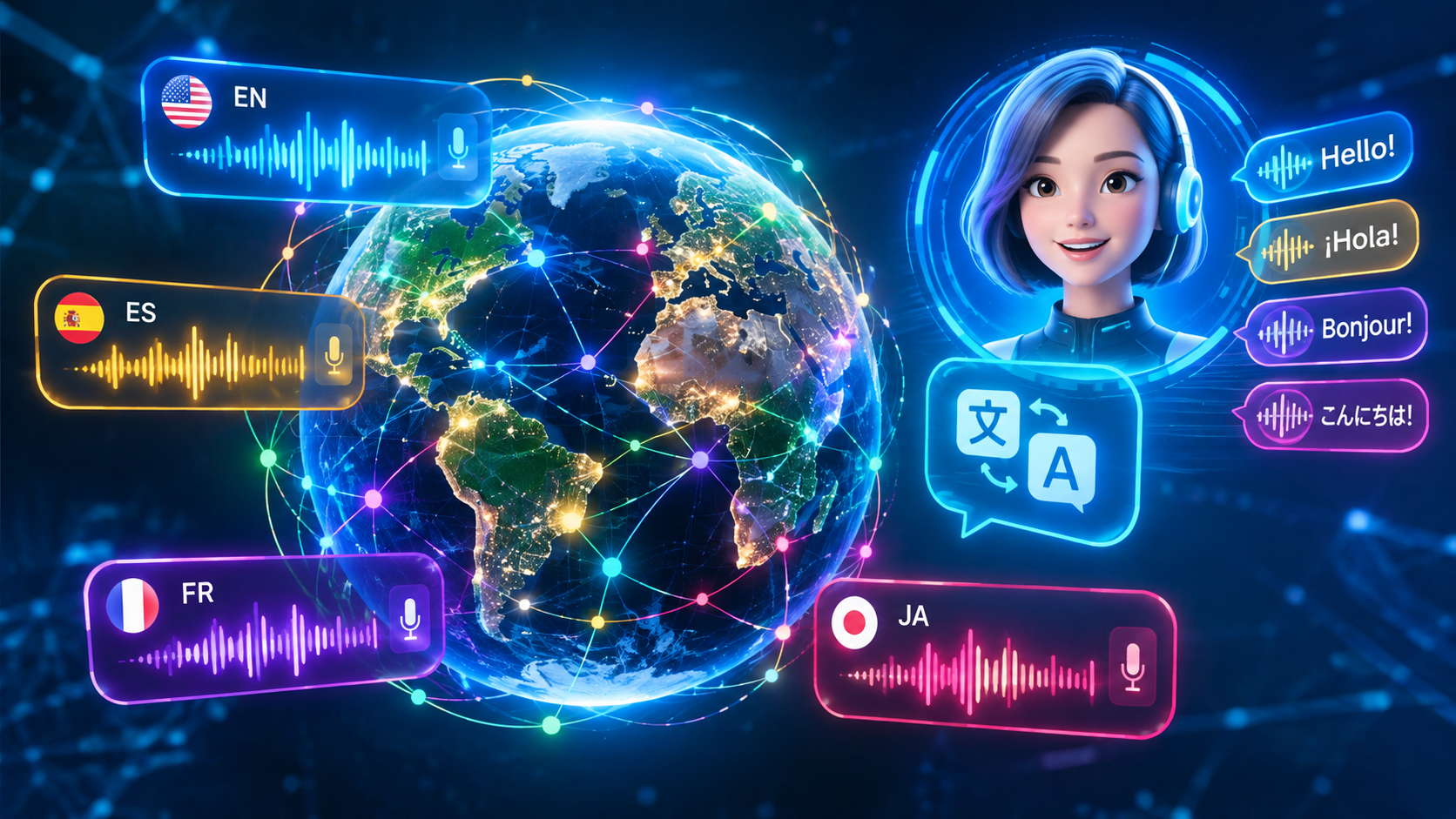
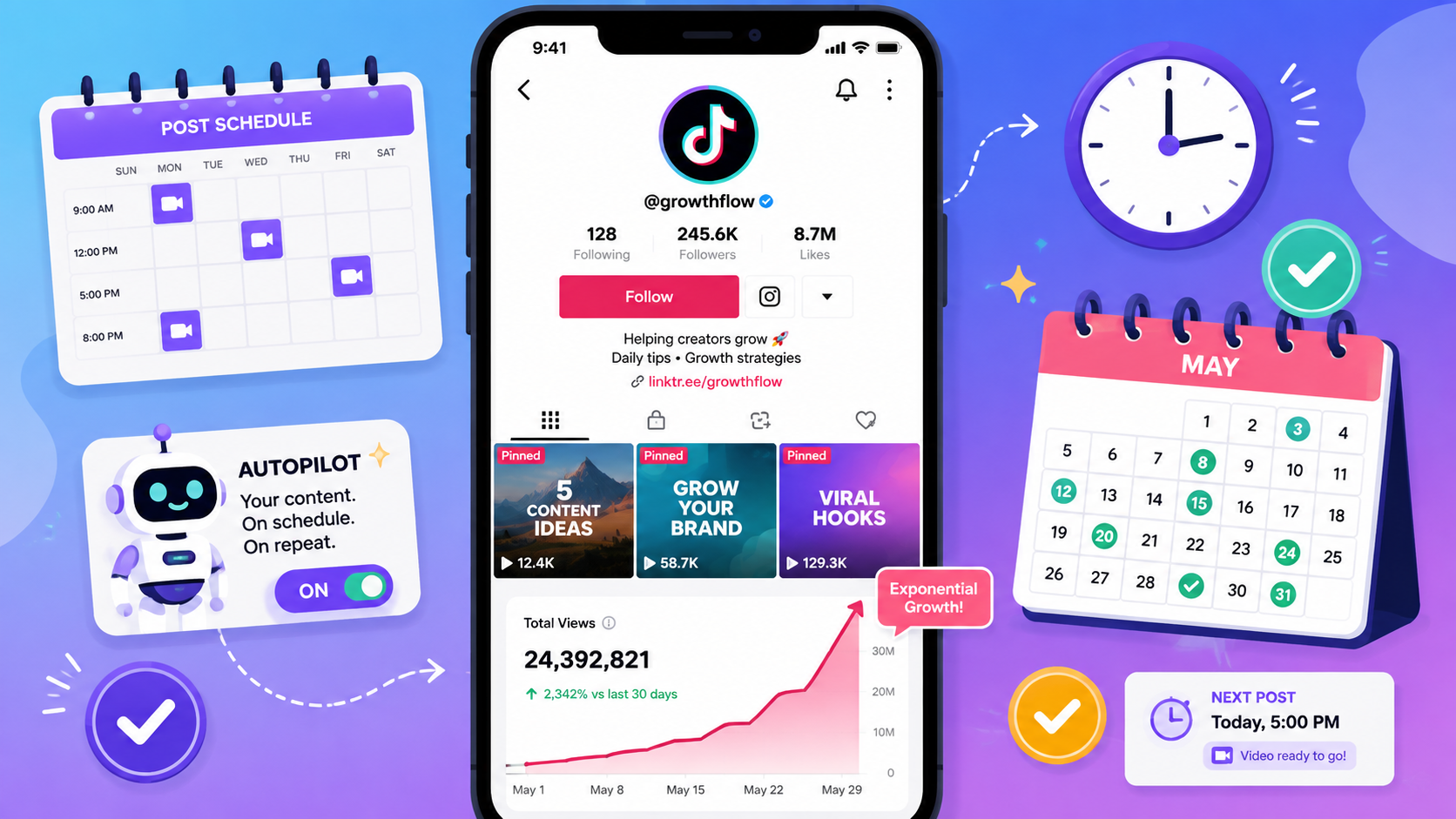
- Use AI UGC when: You need to test multiple hooks and script angles quickly, scale a large product catalog, localize ads across multiple languages, or keep your social feed active with consistent daily updates. It’s perfect for top-of-funnel testing and scaling high-volume campaigns.
- Use Human Creators when: Your product requires physical application demonstration (e.g., applying makeup, testing a physical tool in a specific environment), or you need highly organic, unboxing-style lifestyle reviews where the physical product interaction is the core selling point.
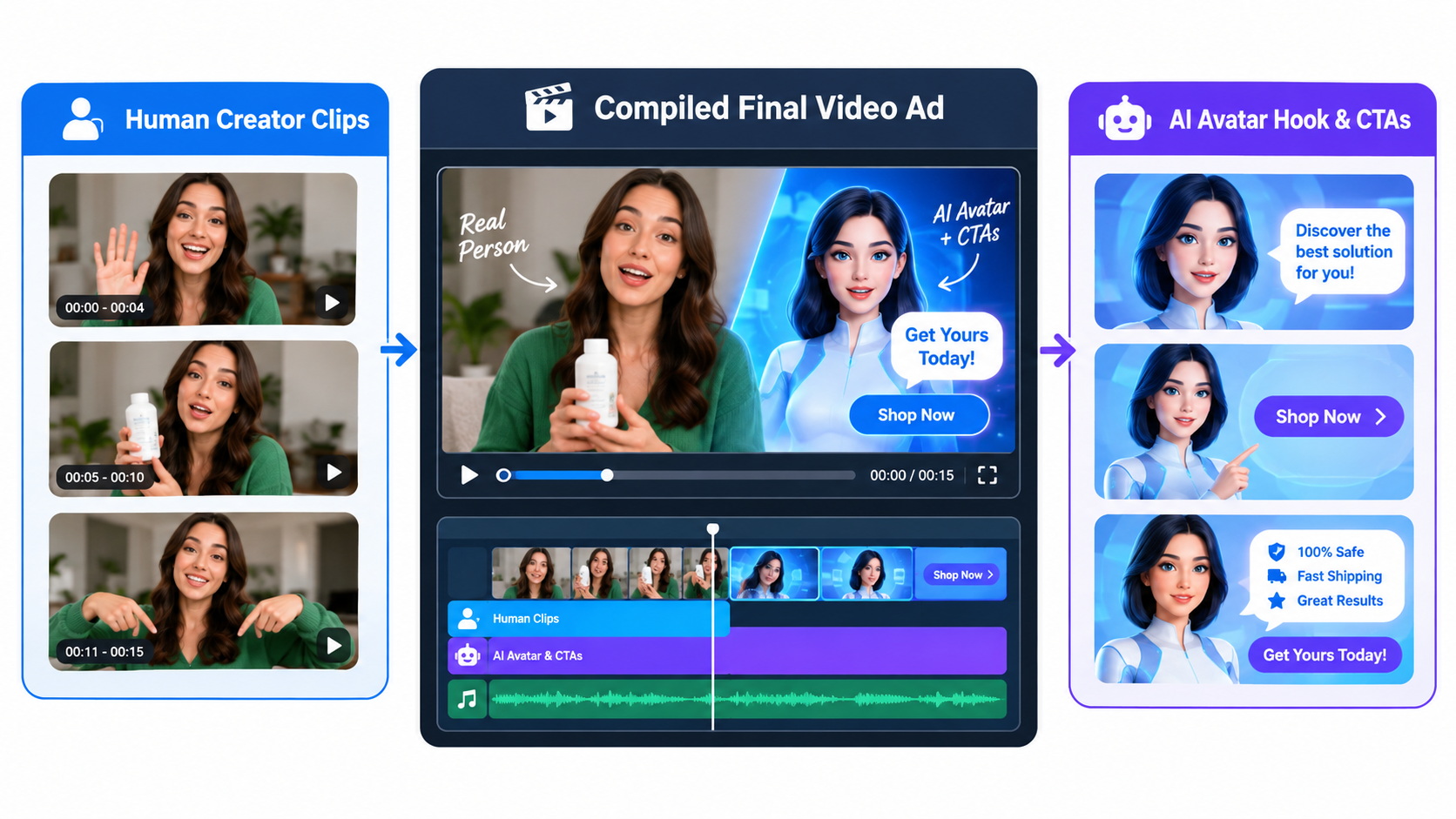
Many successful e-commerce brands use a hybrid strategy. They hire human creators for high-value product demo clips, then feed those clips into a UGC video editor, combining them with AI avatars, synthetic voiceovers, and auto-captions to create hundreds of hook variations for testing.
How to Get Started with AI UGC#
Starting with AI UGC is straightforward. Write a high-converting hook, or use ChatGPT prompts to generate a script. Next, open the GetShorts dashboard, paste your script into the UGC builder, and select a realistic avatar. To make the video sound more natural, you can use our free AI text to speech tool or clone your own voice.
If you're running standard informational campaigns, you can also set up a faceless video generator campaign to automate local or niche social channels, ensuring your brand stays active and engaged with minimal manual effort.
Conclusion: The ROI of Automated Video Creation#
The data is clear: AI-generated UGC is no longer a gimmick. When built with high-fidelity avatars, voice cloning, and customized B-roll, AI ads convert at rate comparable to human creators while saving you thousands in licensing fees and production time. By automating your creative testing pipeline, you can scale your video ads and maximize your ad budget's return on investment.
Ready to scale your ad creative? Browse our affordable pricing plans and start generating high-converting AI UGC ads with GetShorts today.
Stop Booking Overpriced Creators. Start Scaling UGC Ads.
Produce high-quality AI avatars, auto-captions, B-roll composites and translate scripts instantly. Generate 10+ hook variants for testing.
No credit card required • Start free trial instantly